
The Regulatory Cost of Regulation
The Bombay High Court’s Hazel Mercantile decision validates Regulation 31A and reshapes how IBBI’s process-wide role is understood under the IBC.
The Bombay High Court’s Hazel Mercantile decision validates Regulation 31A and reshapes how IBBI’s process-wide role is understood under the IBC.

India’s unresolved personal insolvency framework matters for household credit, entrepreneurship, financial dignity, and the next stage of insolvency reform.

A structured analysis of the Creditor-Initiated Insolvency Resolution Process under the IBC, covering eligibility, statutory architecture, safeguards, stakeholder impact, and implementation risks.

AI can help India’s insolvency ecosystem only if it is treated as institutional infrastructure, not as a substitute for professional judgment.

India’s insolvency framework was built around visible assets, but many modern businesses carry most of their value in data, software, users, contracts, and network effects.
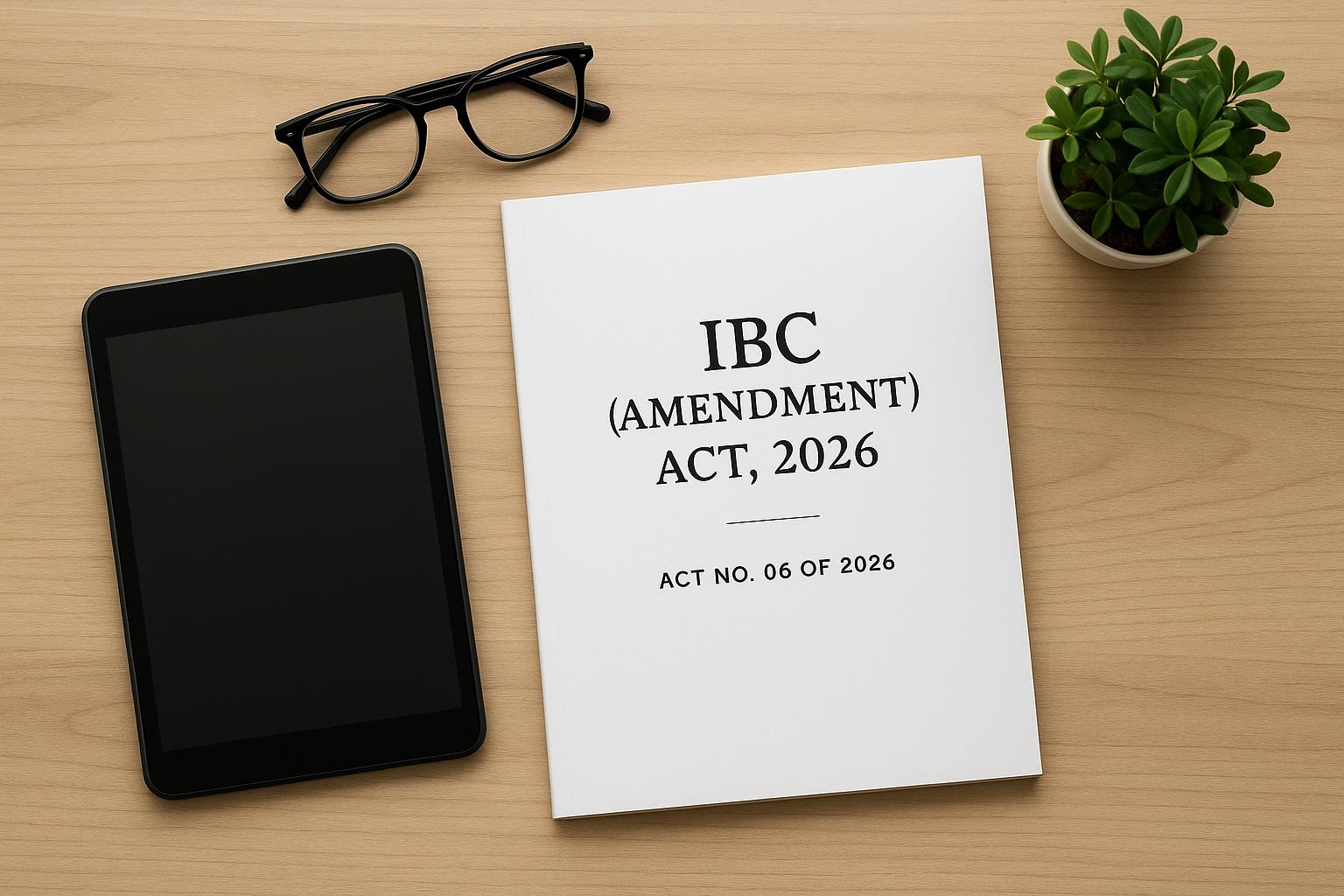
The IBC Amendment Act, 2026 marks a shift from repairing individual gaps to preparing India’s insolvency framework for the next phase of institutional use.

Reverse CIRP has emerged from real estate insolvency cases where homebuyers need completed homes more than a conventional liquidation-style process.

Valuation is not just a technical step in insolvency; it shapes bargaining, confidence, recoveries, litigation, and the integrity of the entire resolution process.
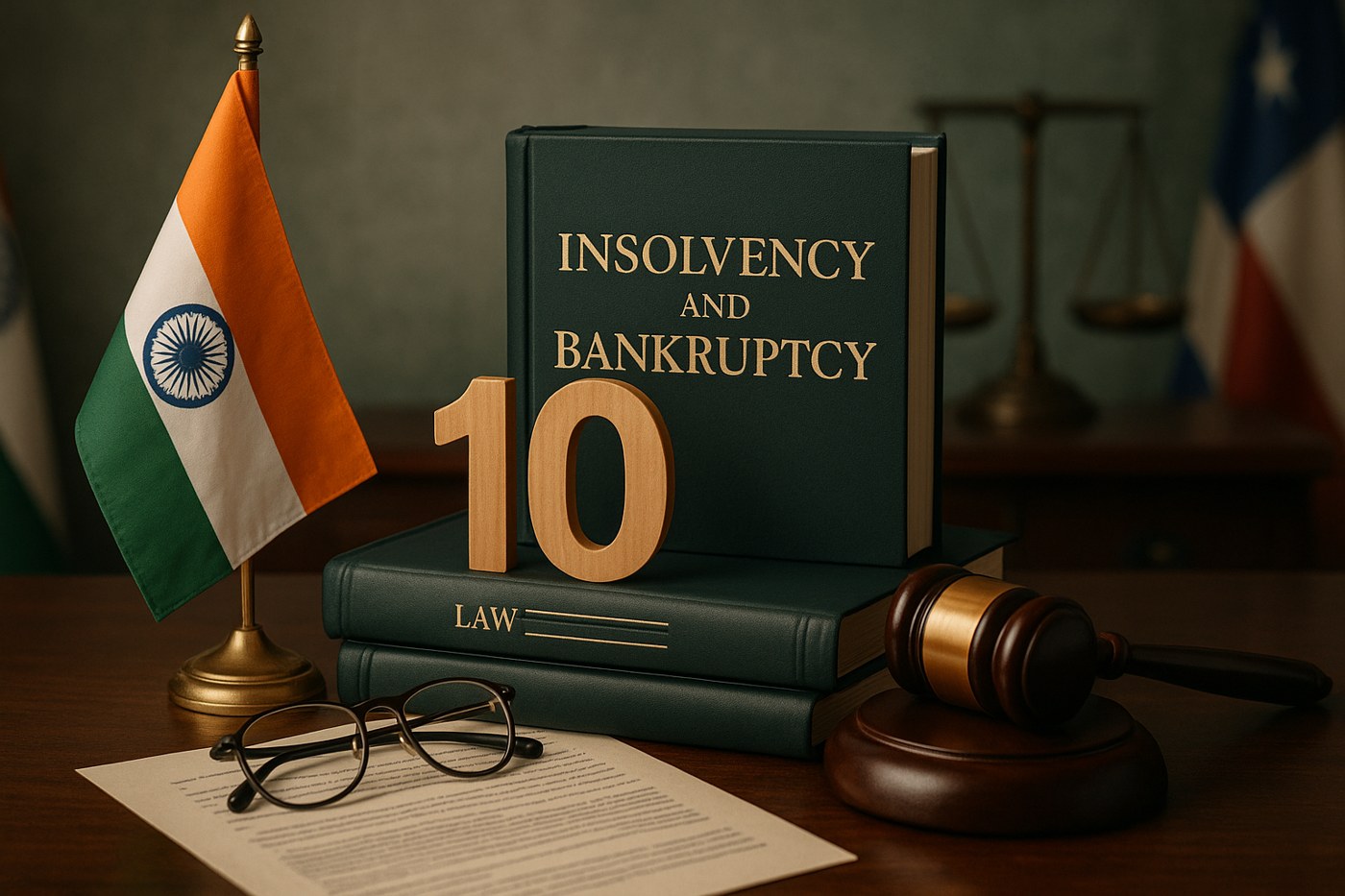
As the Insolvency and Bankruptcy Code approaches its tenth year, India has an opportunity to move from crisis resolution toward a world-class rescue framework.

The next frontier of insolvency reform lies before default: early rescue frameworks that preserve enterprise value while protecting creditor discipline.

Real estate distress needs earlier signals, better disclosure, and structured intervention before insolvency becomes unavoidable.

A critical look at whether India’s insolvency professional agency structure should remain plural or move toward consolidation.

Recoveries under the IBC depend not only on legal process, but on the ability to find, preserve, and realise value before it disappears.
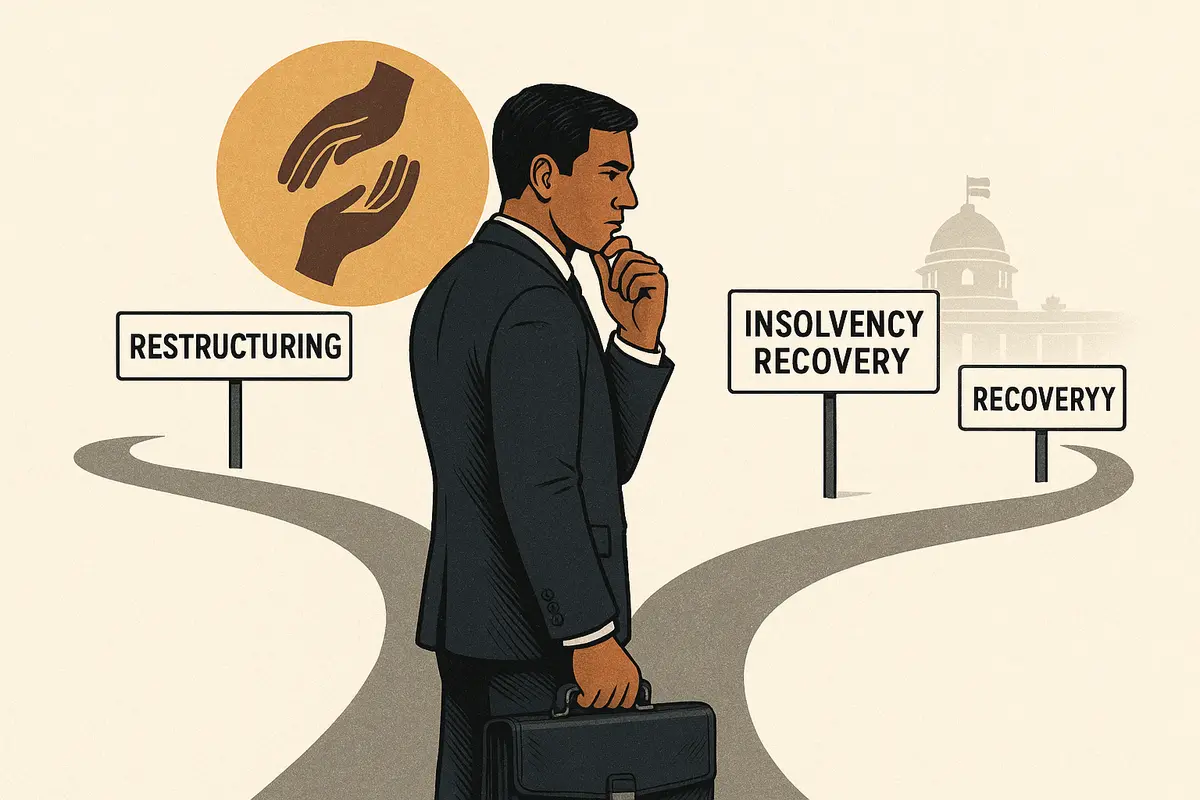
A structured debt-assistance framework can help entrepreneurs resolve distress earlier, preserve dignity, and reduce avoidable insolvency.